
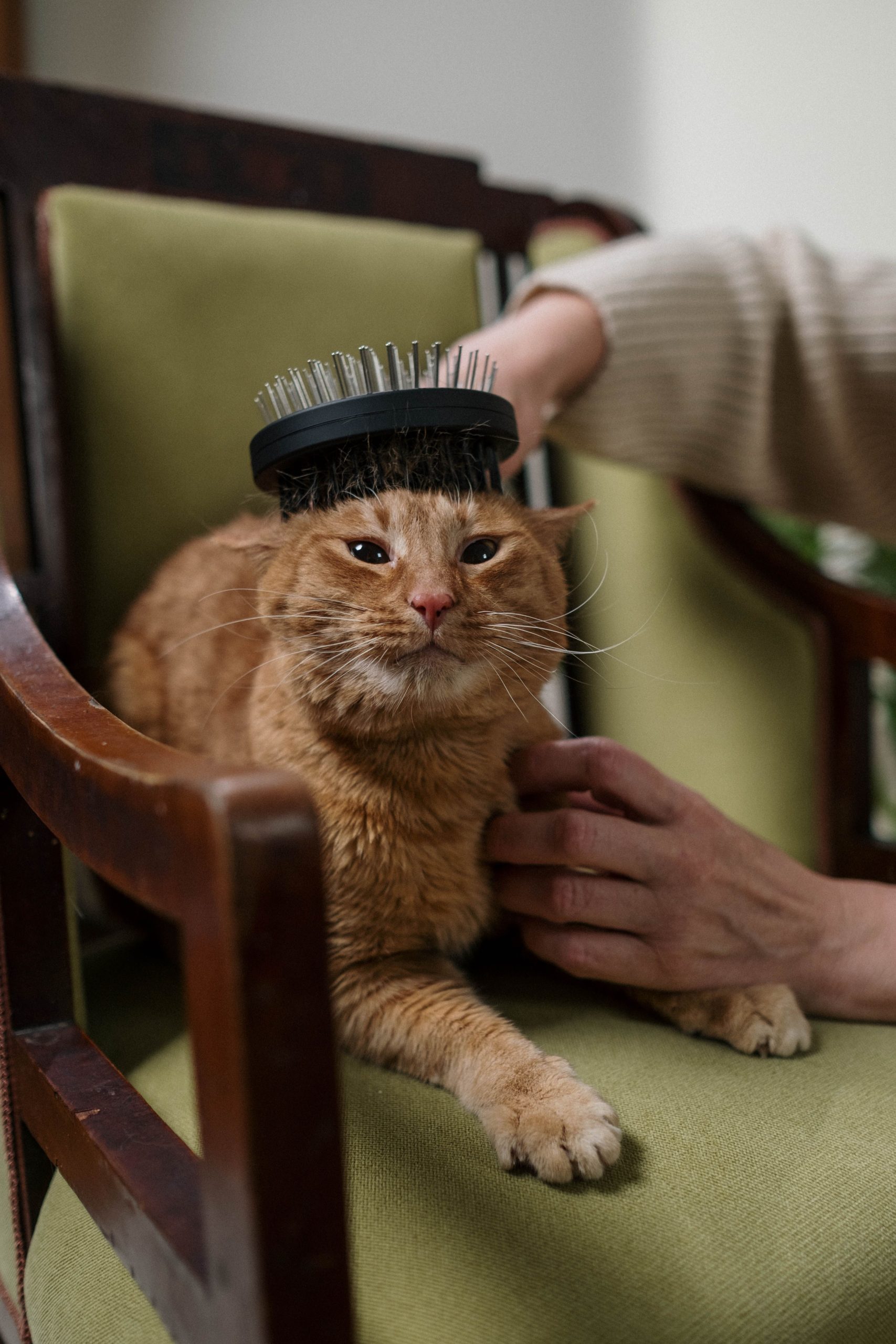
How to Properly Groom Your Cat at Home: A Stress-Free Guide

Cats are notoriously fastidious creatures, reputedly spending up to half of their waking hours licking, smoothing, and organizing their coats. This built-in grooming ritual is a marvel of evolutionary biology: the feline tongue is covered in tiny, backward-facing spines called papillae, which act like a natural hairbrush to detangle fur and distribute natural skin oils. Yet, despite their natural diligence, domestic cats occasionally require human intervention to maintain optimal coat health and prevent painful mats, hairballs, and skin irritation.
The challenge, as any cat owner knows, is that cats are highly sensitive to physical restraint and unfamiliar tools. An ill-prepared grooming session can quickly deteriorate into a stressful struggle, damaging the trust between pet and owner. Transforming cat grooming from a chaotic battlefield into a cooperative, stress-free ritual requires an understanding of feline psychology, the correct tools, and a patient, methodical approach.
The Psychology of the Cooperative Feline
Before introducing brushes or nail clippers, you must prepare the environment and your cat’s state of mind. Cats operate on a system of territory and control; forcing them into a grooming session when they are highly active or anxious is a recipe for failure.
Begin by choosing a quiet, distraction-free room where your cat already feels secure. The ideal time for grooming is when your cat is naturally relaxed and sleepy, such as after a heavy meal or a rigorous play session. Rather than forcing the grooming tools onto the animal, place them on the floor days in advance. Let your cat sniff, rub against, and investigate the brushes, pairing their presence with calm praise or a high-value treat to build a positive association.
The Essential Home Grooming Arsenal
Using the wrong brush can pull on sensitive skin, causing immediate pain and ensuring your cat rejects future grooming attempts. Selecting the correct tools is paramount to maintaining a stress-free experience.
- Slicker Brushes: Featuring fine, short wire bristles, these are highly effective for removing loose undercoat fur and minor tangles, particularly in medium-to-long-haired breeds.
- Rubber Grooming Mitts: Excellent for short-haired cats. The soft rubber gently massages the skin while attracting loose hair through static electricity, making it a low-stress introductory tool.
- Stainless Steel Combs: Essential for long-haired cats (such as Persians or Maine Coons). A dual-spaced comb helps identify hidden knots close to the skin before they develop into severe mats.
To establish a clean, organized routine, having high-quality tools readily accessible is vital. If you are searching for a gentle, veterinarian-approved deshedding tool to manage undercoat shedding, utilizing an ergonomic grooming brush (Premium Feline Undercoat Grooming Brush) can make the process highly efficient for both you and your cat.
Step-by-Step: The Gentle Brushing Routine
When you are ready to begin, start slowly. Do not attempt to groom the entire cat in one sitting. Instead, focus on a single, low-stress area—like the cheeks, chin, or behind the ears, where cats possess natural scent glands and naturally enjoy being rubbed.
Brush in the natural direction of the hair growth. Keep your strokes short, gentle, and slow. Keep a close eye on your cat’s body language for signs of overstimulation, which include a twitching tail, shifting ears, tensed muscles, or low growls. If you observe any of these warning signs, pause the session immediately and reward your cat with a treat, letting them walk away. By ending the session on a positive note before they reach their threshold, you build confidence for the next attempt.
The Delicate Art of Claw Trimming
Nail trimming is often the most anxiety-inducing part of cat care, yet it is essential for preventing painful ingrown claws and protecting your furniture. The key to a peaceful nail trim is desensitizing your cat to having their paws handled.
Spend several days simply holding and massaging your cat’s paws during quiet moments. Once they are comfortable with paw contact, gently press the center pad to unsheathe the claw. When clipping, locate the “quick”—the pink area inside the claw that contains blood vessels and nerves. Always cut well ahead of this pink line to avoid causing pain and bleeding. If you are hesitant, trim only one or two claws per day, pairing each successful trim with a reward.
For those whose lives are deeply enriched by the elegant, quiet presence of a feline companion, showing that devotion is a daily joy. To express your feline appreciation in a sophisticated, minimalist fashion, explore the collection of premium Cat Graphic Apparel at The Animal Republic, celebrating feline grace in classic black and white.
Managing Baths (Without the Drama)
Healthy, short-haired cats rarely require traditional water baths, as their self-grooming routine is highly efficient. However, long-haired breeds, elderly cats with mobility issues, or cats that have come into contact with sticky or toxic substances may occasionally require a bath.
To minimize stress, avoid a filling tub and loud running faucets, which trigger immediate panic. Instead, use a damp, warm washcloth or a wet sponge infused with a specialized, scent-free feline shampoo. Gently wipe down the soiled areas of the coat, then use a clean, damp cloth to rinse away any shampoo residue. Gently wrap your cat in a dry, warm towel to absorb moisture, avoiding loud blow-dryers which can easily terrify them.
Knowing When to Consult a Professional
While routine maintenance can easily be handled at home, there are times when human intervention is best left to a professional groomer or veterinarian. If your cat has severe, tightly bound mats close to the skin, do not attempt to cut them out with scissors, as feline skin is incredibly thin and easily torn. If your cat exhibits severe aggression, extreme fear, or displays signs of underlying skin infections, consult your veterinarian to discuss safe, professional grooming options under mild sedation.